
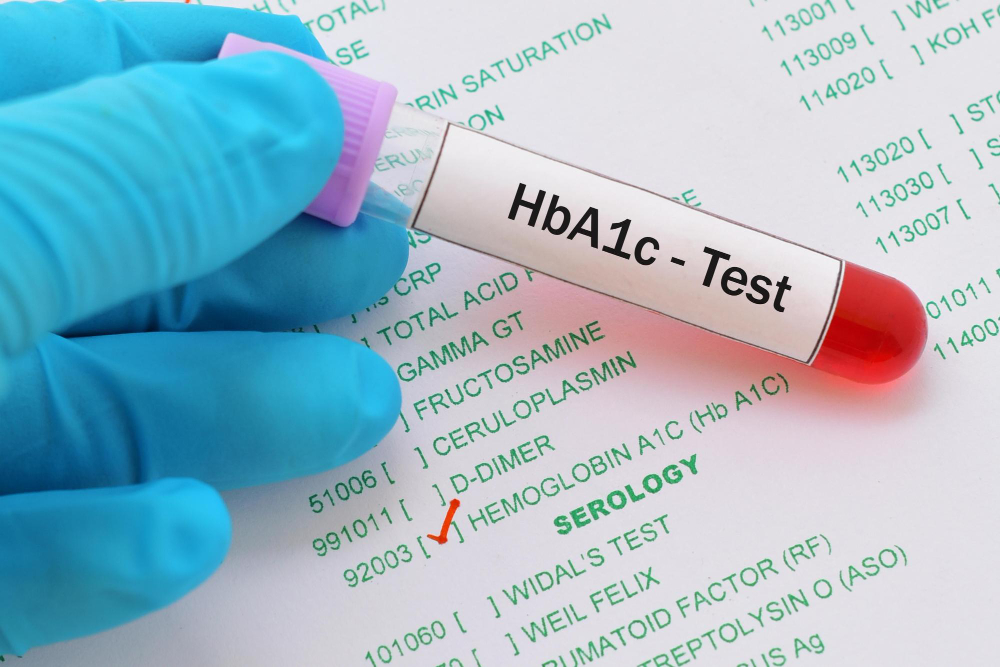
What is HbA1c?
Many people hear about HbA1c during doctor visits, but what does it mean? HbA1c explained simply is a blood test that shows your average blood sugar over the past three months. This test is important because it helps doctors see how well your blood sugar is controlled. In fact, the HbA1c test meaning is closely linked to diabetes care. When sugar stays in your blood, it attaches to a part of your red blood cells called hemoglobin. The HbA1c test measures how much sugar is stuck to these cells. Because red blood cells live for about three months, this test gives a long-term view of your blood sugar.
Why is HbA1c Measured?
Doctors use the HbA1c test for several reasons. First, it helps find out if you have diabetes or prediabetes. Second, it shows how well your diabetes is managed over time. Unlike daily blood sugar checks, this test does not change quickly. Instead, it gives a bigger picture. For example, if your HbA1c is high, your risk for heart disease, kidney problems, and nerve damage goes up. Therefore, knowing your HbA1c can help you and your doctor make better health choices. The World Health Organization (WHO) and the Centers for Disease Control and Prevention (CDC) both recommend this test for diabetes care.
How is the HbA1c Test Done?
Getting an HbA1c test is simple. Usually, a nurse or technician takes a small blood sample from your arm. You do not need to fast before this test. After the blood is taken, it goes to a lab for checking. Results are often ready within a few days. Because the test is quick and easy, many people get it during regular check-ups. If you have diabetes, your doctor may suggest this test two to four times a year. However, the number of tests depends on your health needs.
What Do HbA1c Results Mean?
Understanding your HbA1c results is key. Here is what the numbers usually mean:
For most people with diabetes, doctors aim for an HbA1c below 7%. However, your target may be different based on your age and health. If your HbA1c is high, it means your blood sugar has been high for a while. This can lead to health problems. But if your HbA1c is in the normal range, your blood sugar is well controlled. Always talk to your doctor about what your results mean for you.
How to Manage and Lower HbA1c
Lowering your HbA1c is possible with healthy habits. Here are some tips:
In addition, regular doctor visits help track your progress. If you need more help, your doctor may adjust your medicine or suggest new ways to lower HbA1c. Remember, small changes can make a big difference over time.
Prevention and Monitoring Tips
Even if you do not have diabetes, you can keep your HbA1c in a healthy range. Here are some ways to prevent problems:
Furthermore, monitoring your health helps catch changes early. Early action can prevent serious problems. For those with diabetes, following your care plan is key. Always ask your doctor if you have questions about your HbA1c or blood sugar.
Conclusion
In summary, understanding HbA1c explained in simple terms can help you take charge of your health. The HbA1c test meaning is clear: it shows your average blood sugar and helps guide your care. If you want to know more about normal HbA1c levels or how to lower HbA1c, talk to your doctor. Consult a healthcare professional at Reona Healthcare for personalized advice on HbA1c and diabetes management.