
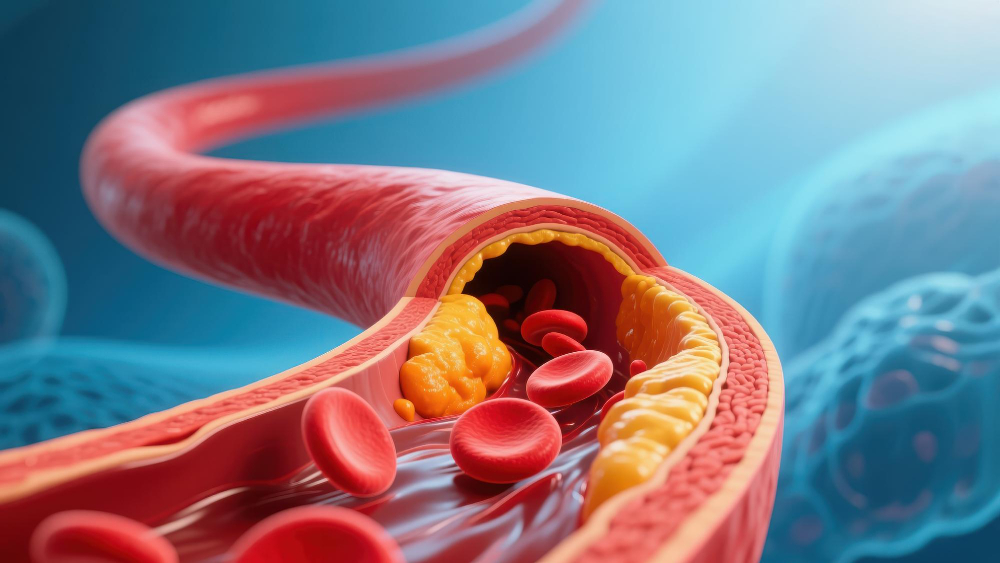
Introduction: Understanding Cholesterol and Why Myths Persist
Many people worry about cholesterol. Because of this, cholesterol myths are common. Some myths can lead to confusion about heart health. However, knowing the facts about cholesterol helps you make better choices. Cholesterol is a natural substance in your body. It is not always harmful. Yet, myths often spread through social media, word of mouth, or outdated advice. In this blog, we will debunk common cholesterol myths and share evidence-based guidance. This way, you can protect your heart and overall health.
Common Cholesterol Myths Debunked
Facts About Cholesterol: Types, Roles, and Health Implications
Cholesterol is a waxy, fat-like substance. Your body uses it to build cells and make hormones. There are two main types:
However, too much LDL or too little HDL can raise your risk of heart disease and stroke. According to the CDC and WHO, keeping cholesterol in a healthy range is key for heart health.
Evidence-Based Guidance on Cholesterol Management and Prevention
Managing cholesterol is not just about avoiding certain foods. Instead, it is a mix of healthy habits, regular check-ups, and sometimes medication. Here are some proven steps:
For some people, genetics play a strong role. In these cases, lifestyle changes may not be enough. Therefore, doctors may recommend medication to lower cholesterol and protect your heart.
Lifestyle Tips for Healthy Cholesterol
Simple changes can make a big difference. For example, try these cholesterol management tips:
Additionally, managing stress and getting enough sleep also help support healthy cholesterol and heart health.
When to Seek Medical Advice
It is important to talk to your doctor about cholesterol. You should seek advice if:
Early action can prevent serious problems later. Your doctor can help you find the best plan for your needs.
Conclusion
In summary, many cholesterol myths can confuse people. However, knowing the facts about cholesterol and heart health helps you make smart choices. Remember, healthy habits and regular check-ups are key. Consult at Reona Healthcare for personalized cholesterol advice.